Co-creating a public engagement programme exploring dementia and mental health crisis. The Family Interventions in Dementia Mental Health Environments (FIND ME) study
Parallel 6
18 November, 2026 3:30 – 4:40 pmFrom Crisis to Connection: Evolving Dementia in Care Mental Health Settings
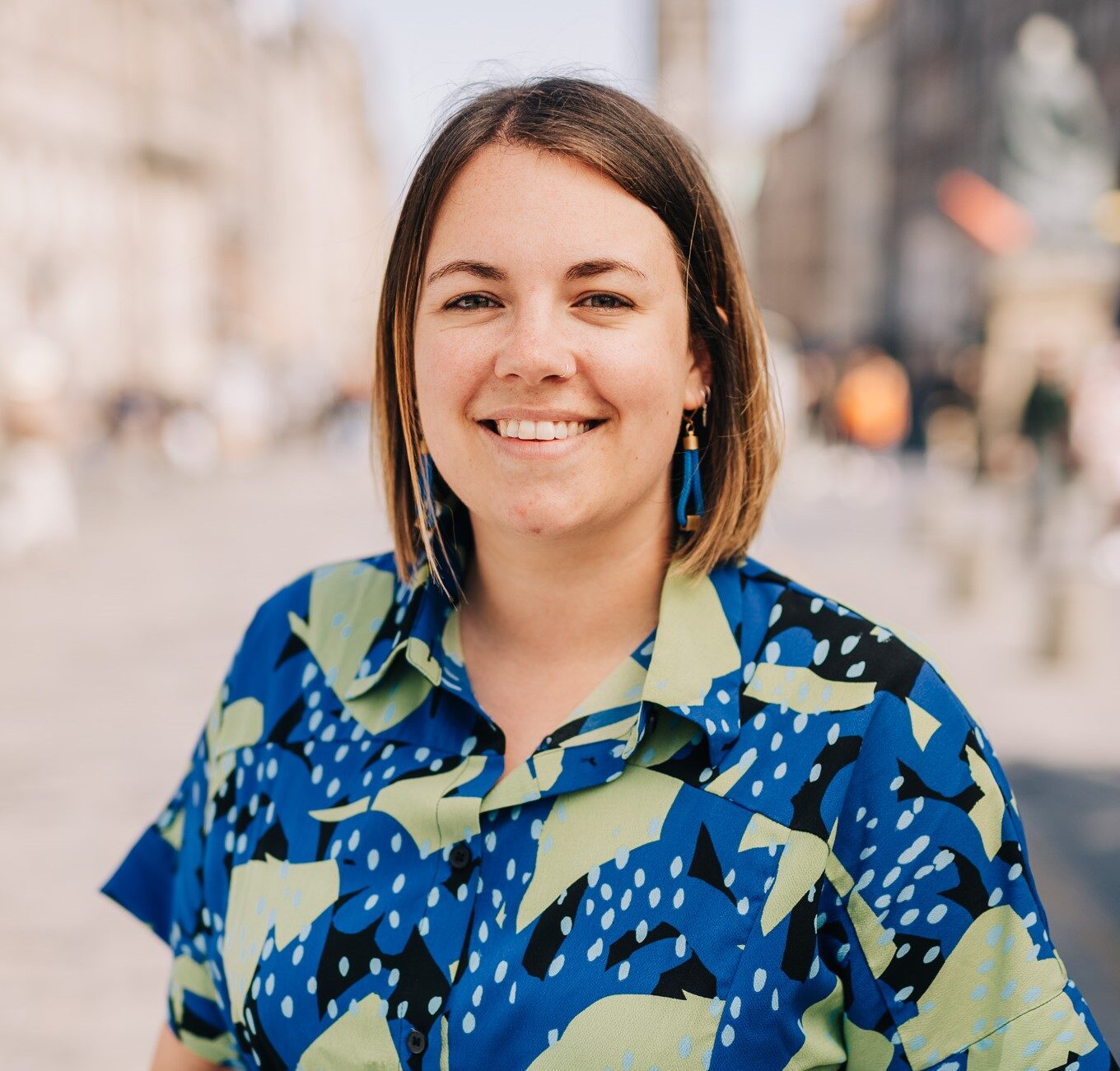
Faye Watson
Public and Community Engagement Lead (FIND ME)
Geller Institute of Ageing and Memory (University of West London)
Member of the Inpatient Dementia Experience Group
Lived expert
Summary
People with dementia can experience poor mental health and in the UK they can be admitted into a specialist mental health ward. Family carers frequently describe these admissions as distressing and isolating, with poor communication and limited recognition of their expertise or involvement. The FIND ME study aims to understand how wards can work in collaboration with families. It has co-created a public engagement programme grounded in lived experience and delivered in close collaboration with people affected by dementia and mental ill health.
FIND ME has a deeply embedded Patient and Public Involvement (PPI) group comprising eight family carers and one person living with dementia, all with direct experience of inpatient mental health wards. Working in collaboration with the study team, this group has shaped the programme’s priorities, methods and outputs, ensuring relevance, accessibility and inclusivity.
Together, we have co produced a national public engagement programme with diverse creative and educational outputs. These include an mixed-media exhibition; a podcast series featuring interviews with family carers and ward staff; a short animation, a comic book and a magazine for children exploring dementia and mental health crises; a Wikipedia editing project strengthening the visibility of dementia and mental health topics online; and a suite of co designed resources for family carers, ward staff and people living with dementia. A flagship output is a 24 page illustrated guide to navigating mental health admissions, co-created with family carers and now being adapted and translated for diverse communities including a published Welsh translation and an upcoming version for South Asian communities.
In our talk we will share how, together, we’ve designed and delivered such a diverse programme, and highlight the challenges we’ve experienced along the way and how we’ve overcome them.