
Psychosocial Impact of Traditional Headwraps among the UK’s Black African and Caribbean Elders with Dementia
Parallel 5
18 November, 2026 2:10 – 3:20 pmMusic, Culture and Media in Dementia Care
Ayokunmi Ojebode
Honorary Research Fellow/Lecturer
University of Surrey

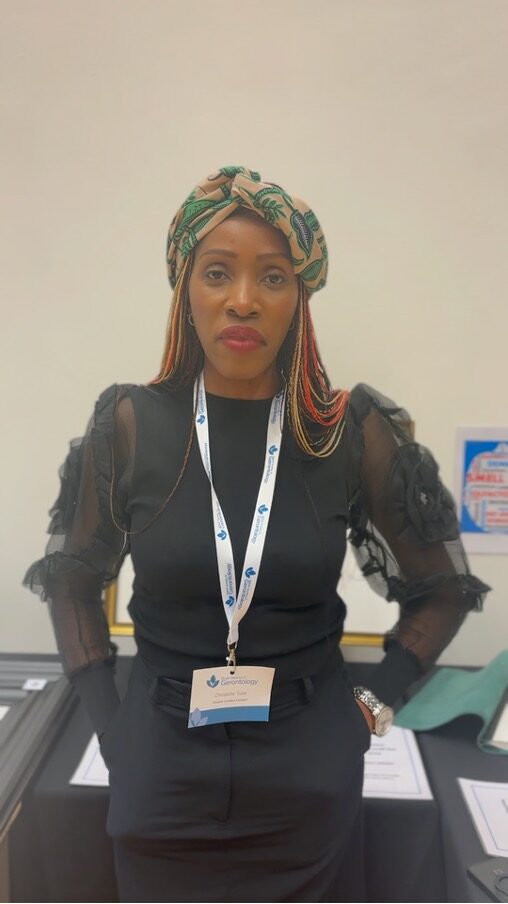
Christelle Tulia
Co-Director
Kiyana Wraps London Ltd
Summary
The UK’s Black African and Caribbean populations face a disproportionate burden of early-onset and vascular dementia, yet culturally tailored institutional healthcare resources remain scarce. With dementia prevalence in ethnically diverse communities projected to reach 50,000 individuals by the end of 2026, there is an urgent need for interventions that resonate with the heritage of the African diaspora. This study evaluates a co-designed cultural reminiscence workshop conducted at the Sheffield Memory Hub involving 35 Black African and Caribbean elders and their caregivers. Utilising traditional textiles and headwear, specifically the Caribbean Madras, Congolese Maputa, and Yoruba Nigerian Gele and Fila (headgear and caps), the intervention stimulated tactile and sensory engagement. Qualitative data from semi-structured post-workshop interviews (n=7) were analysed using thematic analysis to explore sensory-driven reminiscence and relational care.
The findings reveal that traditional headwear acts as a powerful sensory bridge and cognitive catalyst across three domains. First, material engagement stimulated highly preserved, place-based memories and procedural cultural knowledge. Recalling the rule-governed rituals of fabric folding built a coherent sense of continuity between early life and current UK experiences, countering the isolation of dementia. Second, the workshop validated male-gendered reminiscence, restoring masculine dignity and embodied heritage within clinical spaces. Third, the intervention bypassed cognitive deficits to stabilise mood, regulate emotion, and mitigate anxiety, fostering sustainable states of joy and social connection.
In conclusion, traditional headwear serves as an effective, low-cost psychosocial tool that restores dignity, preserves identity, and stimulates relational care. This study advocates for a definitive shift in clinical standards toward arts-based, heritage-focused interventions that prioritise cultural synthesis, ensuring that UK dementia care is structurally grounded in the personal and historical realities of diverse populations.