
Using Cognitive Rehabilitation and the ‘My Life, My Goals’ Guide to Address Word-Finding Difficulties in People with Dementia.
Parallel 1
17 November, 2026 12:00 – 1:10 pmMini Presentations Group 1
Daisy Norton is an Assistant Psychologist working within the Bromley Memory service. She has completed an undergraduate degree in Psychology, Clinical Psychology and Mental Health at Royal Holloway, University of London. Within her current role, she undertakes neuropsychological assessments of people with suspected dementia, co-facilitates workshops and groups relating to dementia, and provides cognitive rehabilitation therapy. Her past experience includes working as a research assistant on a study investigating interventions for Charles Bonnet Syndrome, and acting as a shift leader in a residential care home for people with learning difficulties.
Reinhard Guss is a Consultant Clinical Psychologist and Neuropsychologist with over 35 years’ experience in NHS services for older people and those living with dementia. He has previously acted as the Chair of the British Psychological Society’s Faculty of the Psychology of Older People and has led national work to improve psychological approaches in dementia care. His work has focused on enabling meaningful involvement for people with dementia and improving access to psychosocial support.
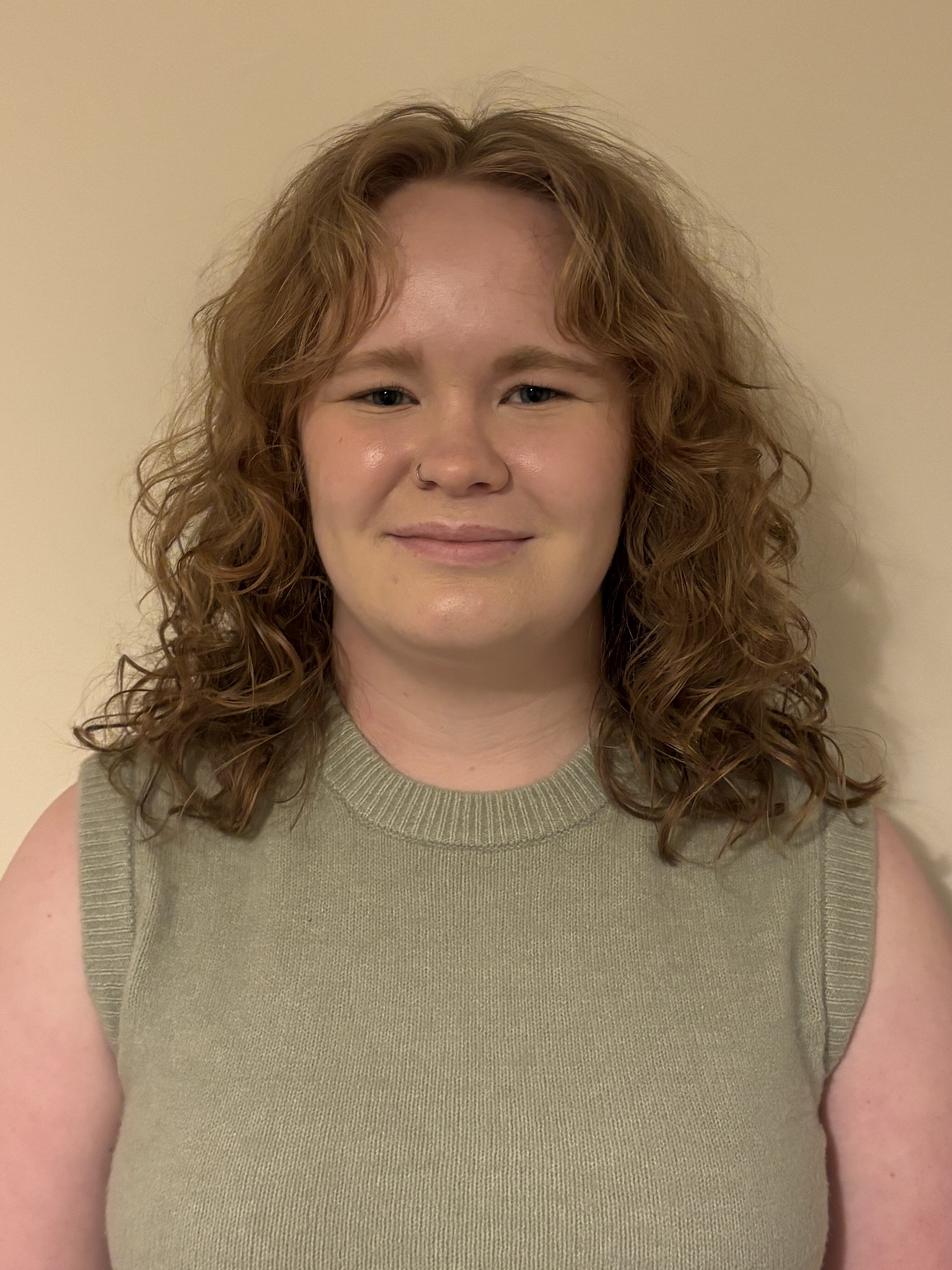
Dr Reinhard Guss
Consultant Clinical Psychologist
Oxleas NHS Trust
Reinhard Guss is a Consultant Clinical Psychologist and Neuropsychologist with over 35 years’ experience in NHS services for older people and those living with dementia. He has previously acted as the Chair of the British Psychological Society’s Faculty of the Psychology of Older People and has led national work to improve psychological approaches in dementia care. His work has focused on enabling meaningful involvement for people with dementia and improving access to psychosocial support.
Summary
The ‘My Life, My Goals’ guide is a cognitive rehabilitation (CR) resource designed to support people with dementia in achieving personally meaningful goals. The Bromley Memory Service has developed a brief, post-diagnostic intervention in which facilitators model the use of this guide across three clinic sessions and a follow-up, with the aim of promoting independent use. This presentation outlines the application and challenges of using this intervention to address word-finding difficulties.