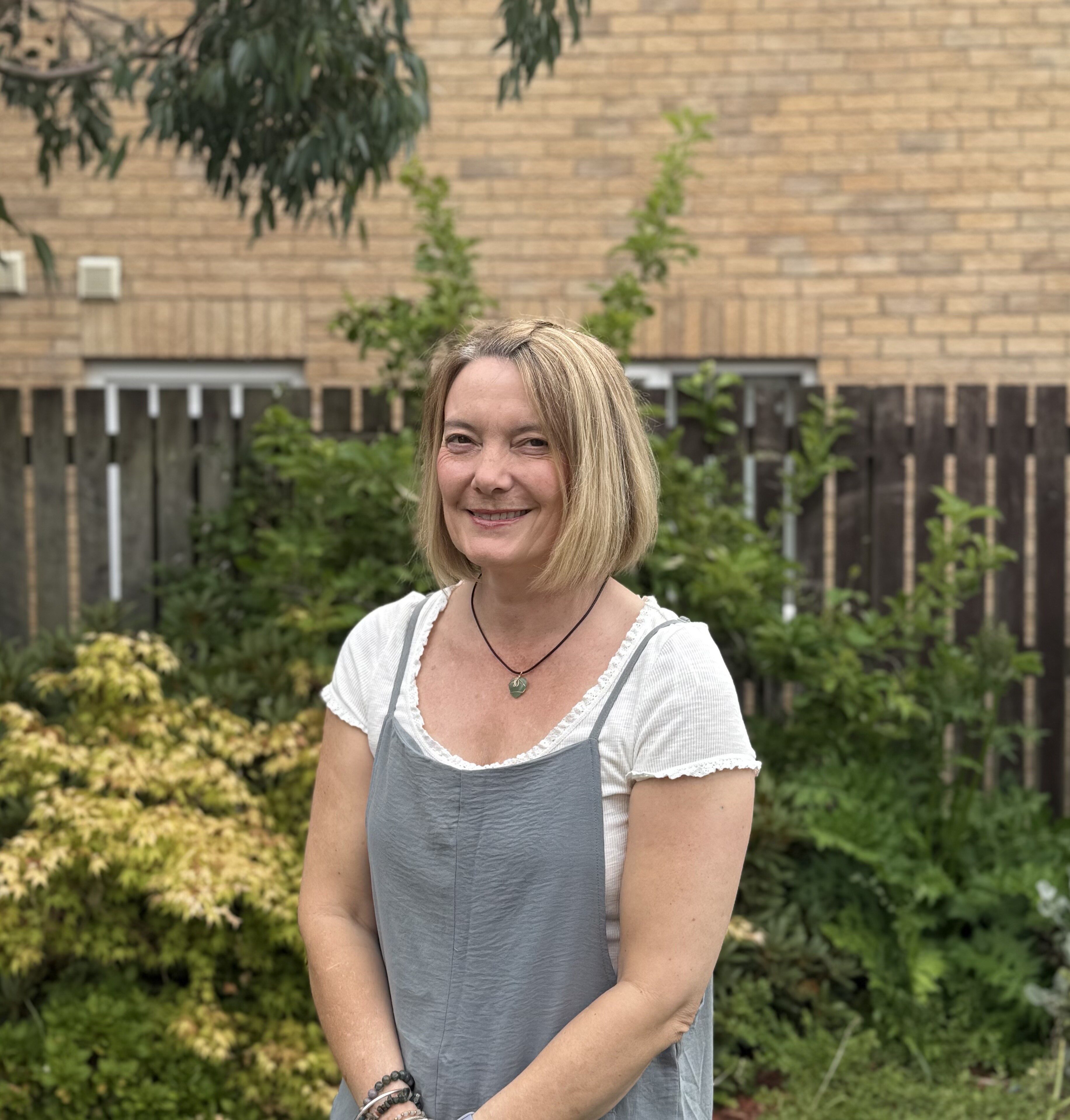
Mandy Willcox is a researcher at the University of York, she works as the full time research associate on the Good Life Feasibility Study.
Mandy’s previous experience includes working on an NIHR funded project about living alone with dementia without informal support and a project exploring the institutional barriers to public involvement work.
Howard worked in healthcare for 20 years. He was diagnosed with dementia in 2017. Howard attended one of the early Good Life with Dementia courses. He has since worked extensively to support the dementia community including Dementia Diaries, Deepness Dementia Media as well as supporting numerous research projects.
Howard worked in healthcare for 20 years. He was diagnosed with dementia in 2017. Howard attended one of the early Good Life with Dementia courses. He has since worked extensively to support the dementia community including Dementia Diaries, Deepness Dementia Media as well as supporting numerous research projects.
Summary
The Good Life course is a co-produced course by people with dementia for people with dementia with professional facilitation. An initial qualitative study (presented at Congress in 2024) found that this approach can help people with a diagnosis of dementia to reframe living with the condition and feel better prepared to face the challenges dementia presents. The current project is a feasibility study to find out what we need to know to run a full randomised control trial. This session is informed by the first stage of the project- the development of a manual and training for the Good Life course, including the cultural adaptation of a GL course co-produced specifically for members of South Asian community. The study is ongoing with the courses in the three study areas due to finish by the end of November 2026 and continuing data collection for a further 3 months.
Our methods for the first stage were co-produced and involved-
1. Manual development including two stakeholder workshops to develop and revise content.
2. Facilitator training delivered by community organisation Innovations in Dementia and 2 people with lived experience.
3. Cultural adaptation workshop including wider consultations with varying stakeholders to consider cultural assumptions that need to be considered when planning and delivering GL to diverse communities.
4. Observations of course sessions to understand the extent to which the course delivered as intended.
This presentation will discuss the considerations needed to develop a manual and training for a course which is designed to be co-produced for each separate group and tailored for the community it is to be delivered in, whilst ensuring the key features of the GL approach are maintained. This included finding a balance between enough flexibility for each course to be adapted and tailored to the local context whilst ensuring there was sufficient structure for facilitators new to GL to understand its key features and essential elements. The importance of grounding the facilitator training in lived experience was key to its success. At this session we will present findings from the cultural adaptation work with initial insights from delivering the courses in three locations.