Circle dance for people living with dementia: adapting the practice to be culturally appropriate for and relevant to today’s dementia care landscape.
Early Bird Sessions
18 November, 2026 8:45 – 9:30 amCircle Dance for People Living with Dementia
Carl Case
Operations Director
Cultural Appropriate Resources
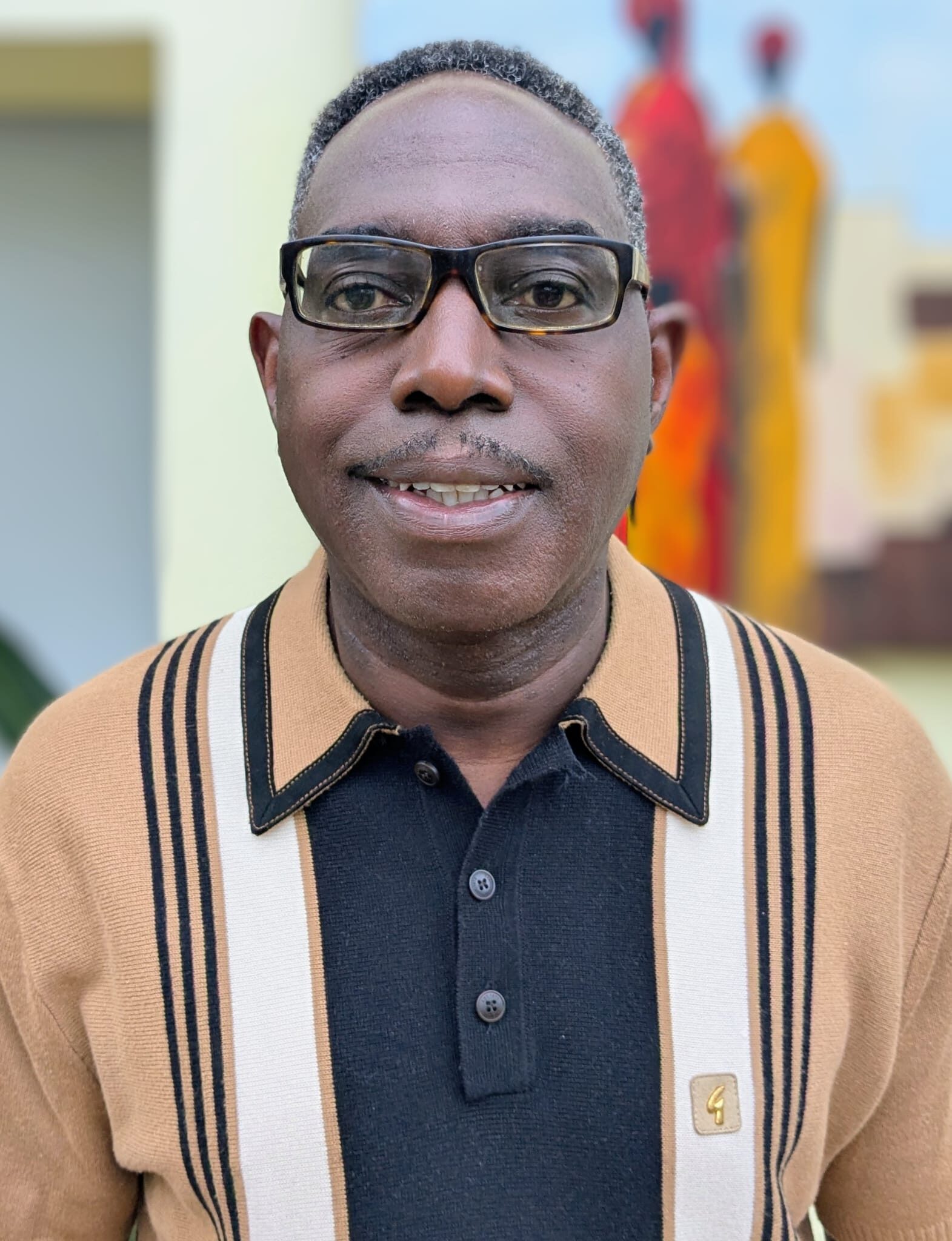
Victoria Smith
Project Lead
Dementia Pathfinders CIC
Summary
Circle Dance was originally developed between 1996 and 2002 by Dorothy Jerrome. Building on her work, Cynthia Heymanson and Kath Kershaw adapted the approach for people living with dementia and other health conditions. In October 2013, management and delivery of Circle Dance transferred to Dementia Pathfinders. Over the past 13 years, training sessions have been delivered that support this practice. A current lottery-funded project has aimed to broaden reach, build resilience and sustainability, and ensure the practice remains relevant within today’s dementia care landscape. This opportunity between Dementia Pathfinders CIC and Cultural Appropriate Resources was initiated as part of the project.
People from ethnically diverse communities often face barriers to engaging with dementia services and activities that fail to reflect their cultural identities, experiences, and traditions. In response, Dementia Pathfinders, in partnership with Cultural Appropriate Resources, developed and delivered a culturally inclusive Circle Dance “Training the Facilitators” programme designed to equip community organisations with the skills and resources needed to introduce Circle Dance within dementia-enabling settings.
This workshop explored how Circle Dance can support the wellbeing of people living with dementia and their care partners through movement, music, social connection, reminiscence, and shared participation. However, rather than presenting Circle Dance solely as a contemporary activity, the programme sought to connect it with participants’ own cultural traditions and lived experiences.
Drawing on examples from Caribbean Ring Games, African communal dances, Punjabi Giddha, Irish ceilidh dancing, Polish folk traditions, and other cultural practices, the training demonstrated that dancing in circles is a shared human tradition that transcends continents, generations, languages, and cultures. By recognising and celebrating these cultural connections, participants were encouraged to view Circle Dance as something familiar, meaningful, and culturally relevant rather than a new or externally imposed activity.
The workshop brought together facilitators from a diverse range of dementia, health, wellbeing, and community organisations. Participants explored both seated and standing dance approaches, reflected on the role of music and reminiscence in dementia enablement, and considered how culturally responsive practice can increase participation, confidence, inclusion, and a sense of belonging.
Evaluation findings highlighted increased confidence amongst participants to deliver Circle Dance within their own settings, together with a greater understanding of how cultural heritage can be used as a powerful tool for engagement. The project also demonstrated how co-production and cultural adaptation can help reduce barriers to participation for communities that are often underrepresented within dementia services.