
Finding purpose, the lived experience from the perspective of individuals living with young onset dementia.
Parallel 4
18 November, 2026 12:00 – 1:10 pmYoung Onset Dementia (2)
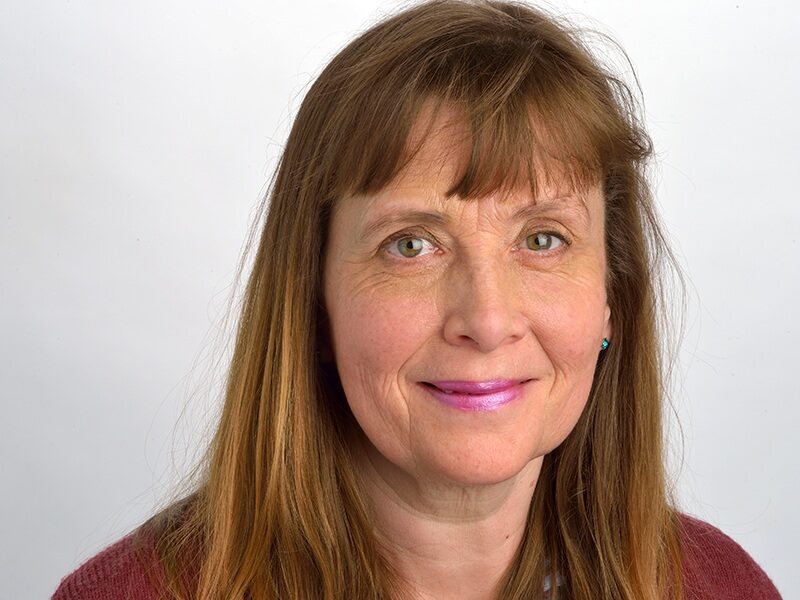
Dr Alison Beard is programme Lead for health and social care at the University of Greater Manchester (formally Bolton). Her research interests are Dementia, social inclusion, disability rights and wellbeing. She has extensive care experience and uses a social constructionist approach to research, being most interested in life experiences.
Email a.beard@greatermanchester.ac.uk
PhD – An examination of Young Onset Dementia and social inclusion relating to personal experiences and the impact on the individual, their family and external network.
University of Bolton (2025)
BA Professional studies – Education University of Aberdeen (2015)
Registered General Nurse Kingston university (1988)
Senior Fellow- Advanced Higher Education (2019)
Summary
INTRODUCTION
This study explores the experiences of people in the UK living with young onset dementia (YOD), focusing on motivation, purpose, and social inclusion. Using Social Role Valorisation theory, it examines changing engagement patterns and the importance of purpose.
METHODS
Semi-structured interviews and focus groups were conducted with nine people living with YOD, including one case study participant interviewed three times. Participant details were recorded, and continuous consent was used. Data were analysed using thematic analysis.
RESULTS
Participants experienced increasing isolation due to loss of employment, reduced social networks, and stigma. Friendships were affected by the diagnosis, yet new found purpose created opportunities for networking.
DISCUSSION
Social exclusion was shaped by identity and life stage expectations. Exclusion from work and daily roles meant participants often felt unheard. Presented here, the Circle of empowerment model brings together the importance of having purpose and being socially included for people experiencing YOD.