More Than Music: Can Community Music Groups Help Bridge the CST Gap?
Parallel 2
17 November, 2026 3:20 – 4:30 pmNaDCAS Symposium: Dementia Care Accreditation
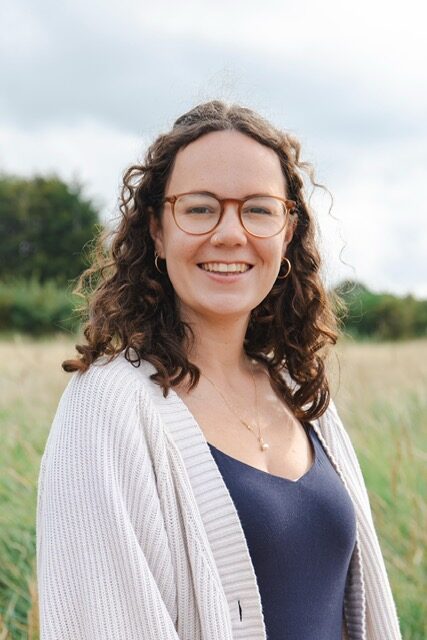
Kate Thubron
Director, Occupational Therapist
Mindful Care Training and Consultancy
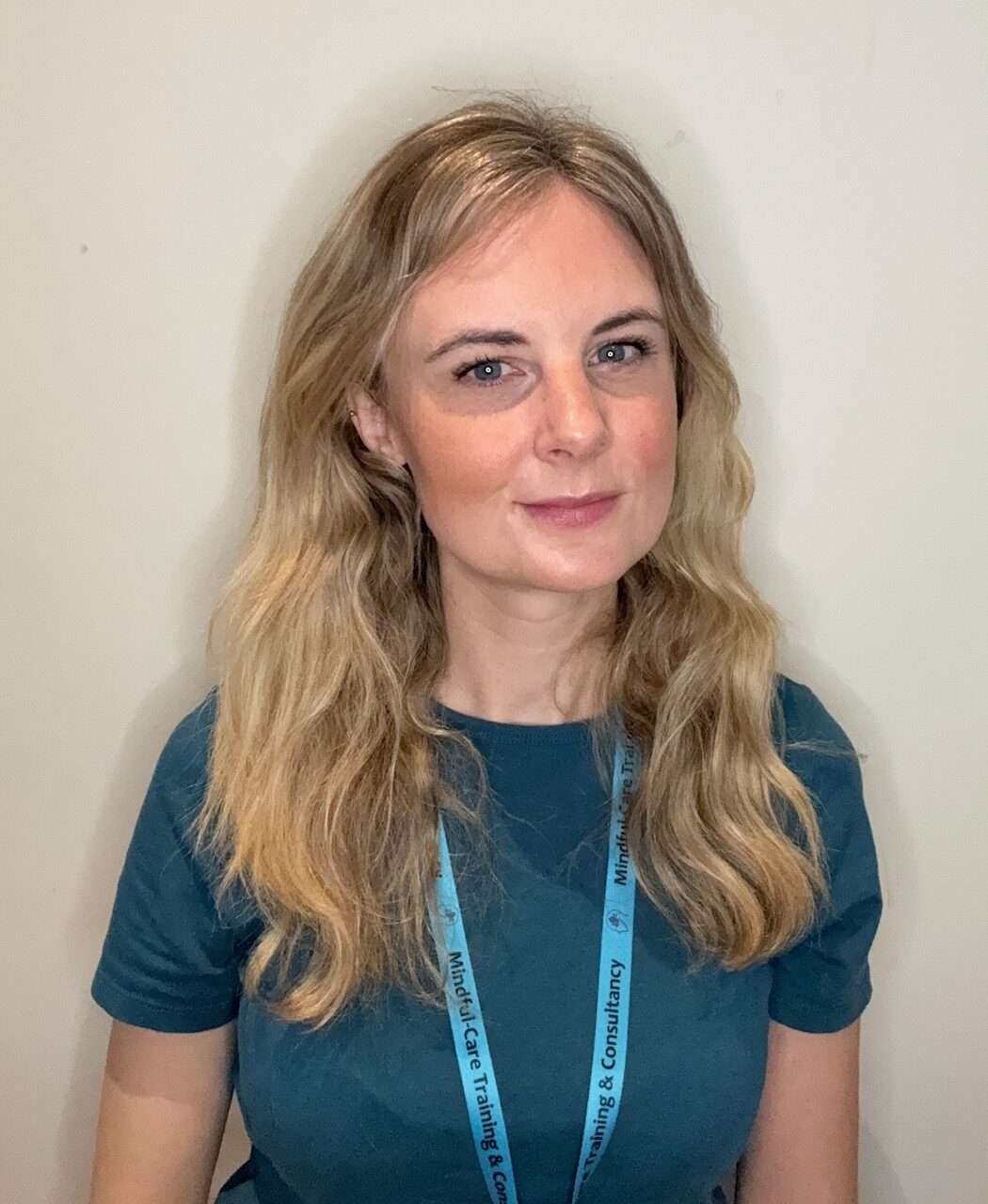
Lucy- Eve Munn
Head of Later Life Programmes
Britten Pears Arts
Summary
Music groups are well recognised for supporting wellbeing, reducing isolation and helping people living with dementia remain connected to their communities. Through creativity, self-expression and shared experiences, the arts can create meaningful opportunities for participation, communication and connection. However, access to Cognitive Stimulation Therapy (CST), one of the most widely evidenced psychosocial interventions for dementia, remains inconsistent across the UK and is often described as a postcode lottery.
This interactive workshop explores whether community music groups can help bridge that gap by intentionally embedding key CST principles within creative arts practice. Through a partnership between Britten Pears Arts and Mindful Care Training and Consultancy, the Participate programme has evolved beyond a traditional music group, integrating CST principles through specialist artist training, dementia-friendly approaches and evidence-informed activity design.
Through music-making, collaborative songwriting, musical discussion, movement and creative exploration, Participate demonstrates how arts-based approaches can provide meaningful opportunities for cognitive stimulation while maintaining enjoyment, creativity, inclusion and social connection. The workshop will explore how trained artists intentionally facilitate communication, choice, social interaction, creativity and opportunities for new learning through music.
Delegates will actively participate in a live Participate session, experiencing first-hand how CST principles can be embedded within community arts settings while preserving artistic quality, participant-led engagement and meaningful participation.
Evaluation of the programme demonstrated strong outcomes in wellbeing, engagement and social connection, with 90% of participants reporting improvements in wellbeing. The workshop will share practical examples, lessons learned and transferable approaches for organisations interested in extending evidence-informed dementia support through community arts programmes. It will also explore the wider contribution that arts-based, CST-informed programmes can make to reducing isolation, strengthening communities and supporting dementia-inclusive cultural participation.