Northern Ireland’s first Dementia Meeting Centre: a co-production approach to community based support
Parallel 5
18 November, 2026 2:10 – 3:20 pmMini Presentations: Group 2
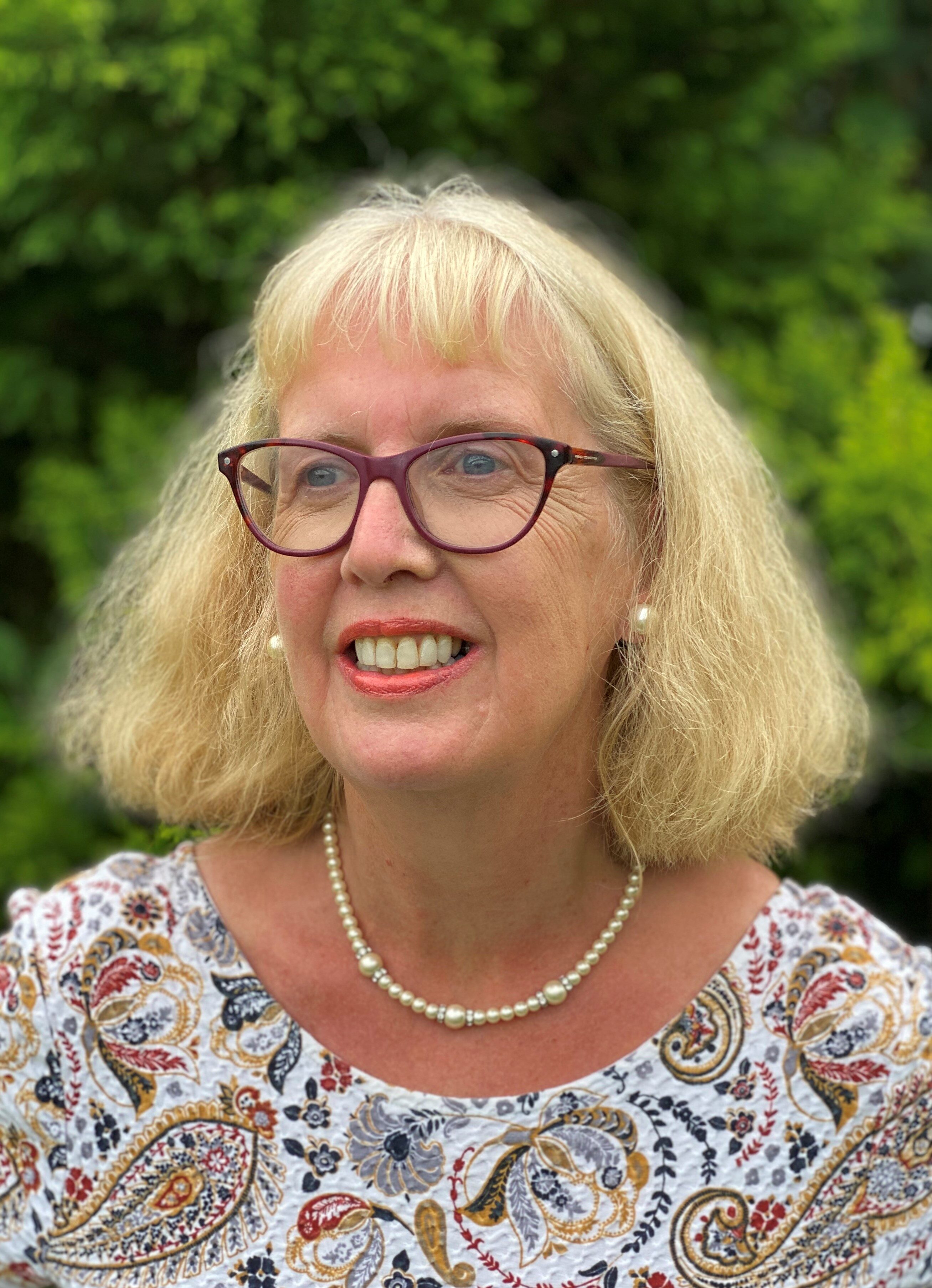
Dr Shirley Evans
Director of the Association for Dementia Studies
University of Worcester
Summary
Dementia affects over 25,000 people in Northern Ireland, and this figure is expected to double within the next two decades. Meeting Centres (MCs) offer community-based support that help people with mild-to-moderate dementia and their families adjust to the changes that a dementia diagnosis brings. They also act as a hub for those providing professional support, making it easier for people to get the right support at the right time.
A MC provides a welcoming environment where people can participate in meaningful activities that promote confidence, reduce isolation and enhance overall well-being. Carers also benefit from practical advice, peer support, and opportunities for relaxation. Evidence from the UK and Europe demonstrates that MCs improve quality of life, reduce loneliness, and help people to live well in their communities.
Despite their success elsewhere in the UK, Northern Ireland currently has no MCs. This project, commencing April 2026, will establish the first MC at Green Island Golf Club as a six-month pilot with the aim of it becoming a national demonstrator site. Co-production is at the heart of this initiative with a Planning Group made up of a third each of people living with dementia, care partners and other stakeholders. Initial funding was acquired from the Empower Co-production Fund and a community event/information meeting was held in November 2025 at Green Island Golf Club near Belfast to discuss the potential of a MC. It was agreed that there was no other local support and there was a real need for a MC locally. This informed the application and funding for the implementation project the aims of which are to investigate:-
a) The needs and wants of the local community.
b) How to set up a MC in Northern Ireland and what adaptations are needed.
c)The facilitators and barriers for expanding the number of MCs in Northern Ireland.
d) The impact of the MC on health and well-being.
e) The nature, impact and success of the co-production approach so that good practice can be shared.
In the presentation we will report on the setting up process, early findings and learning that will inform the establishment of other MCs in Northern Ireland.