Young Onset Dementia and Me
Parallel 2
17 November, 2026 3:20 – 4:30 pmYoung Onset Dementia (1)
Gerald King
Person living with Young Onset Dementia
STAND
Summary
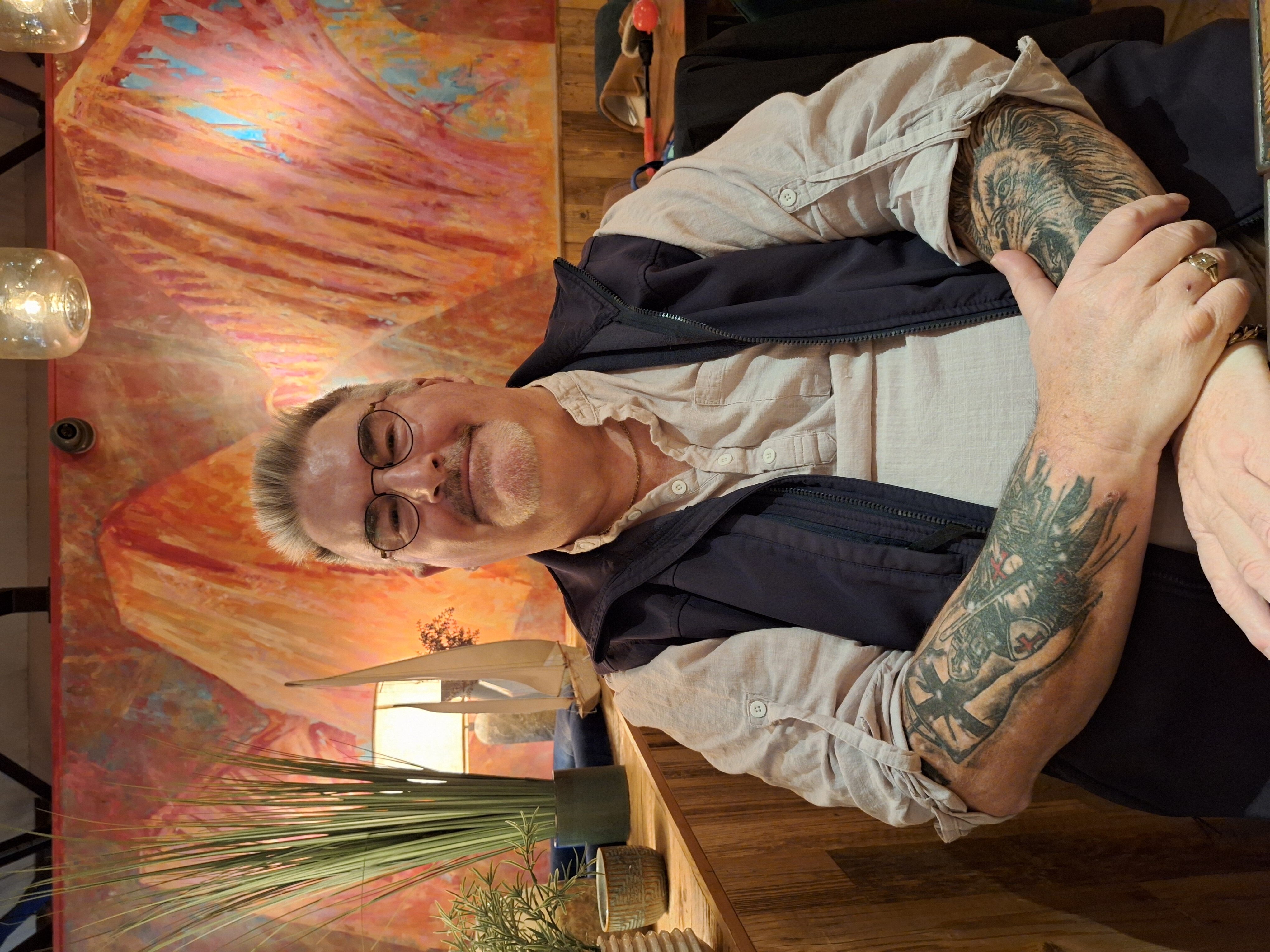
This presentation shares my personal experience of living with young-onset dementia after being diagnosed at the age of 55. Nothing can fully prepare a person or their family
for hearing the words “you have dementia”. For me, the diagnosis changed my life overnight. It affected my identity, family life, mental health, relationships, confidence and sense of purpose. At times, I felt written off, unheard and left to live with a life-limiting brain disease with little meaningful support.
My story is also about what can change when people look beyond the diagnosis. When others recognised that I still had value, skills and a voice, I began to share my experiences locally and nationally. This gave me purpose again.
During the Covid 19 pandemic, much of the world moved online. For many people, this was an isolating and frightening experience. For me, it opened new doors. I was able to speak with professionals, students, policy makers, other people with dementia and families across the country and beyond. It felt as though dementia was beginning to get more attention, and that people were starting to listen.
However, since Covid restrictions ended, much of that energy for change appears to have slowed.
From my perspective, involvement of people with lived experience can still feel tokenistic, especially when our views do not lead to real change in services, funding, policy or everyday support.
This presentation reflects on what has helped, what has hindered progress, and what still needs to change. It will consider post-diagnostic support, mental health, digital exclusion, public transport, care, hospital experiences, community support, and the growing use of terms such as “brain health”. I will argue that dementia must be recognised as a life limiting disease of the brain, not minimised or hidden behind softer language.
Above all, this presentation calls on people to actively listen to those of us living with dementia and take concrete steps based on what we share.
We do not only need to be included; we need to be heard, believed, and have our perspectives lead to real changes.