Editor’s Pick – Dementia Diaries: A farewell to a family of voices
Milton, S. (2025) ‘Dementia Diaries: A farewell to a family of voices’, Journal of Dementia Care, 33(6) pp. 12-13
After 10 years of sharing stories, struggles, laughter, and wisdom, the Dementia Diaries project has come to an end. It’s hard to say goodbye to something that became more than a platform – it became a lifeline, a community, and for many, a kind of family.
This final piece isn’t just a sign-off. It’s a celebration of what Dementia Diaries meant to the people who contributed to it, and a reflection on how technology helped make it all possible.
In October I met with the Dementia Diarists Zoom group that grew from our support for diarists over the COVID lockdown and has continued every week since. The group contained diarists that had been there from the start of the project, when it was still being run by its creator, On Our Radar, and those who have joined in the last few months. We talked about what it has meant to be a diarist, and to listen to the diaries of others. This piece is based on our conversation.
A simple idea that changed everything
At its heart, Dementia Diaries was about giving people living with dementia a way to speak for themselves. Not through researchers or carers, but directly – using audio recorders, phones, and tablets to capture their thoughts and feelings in their own words. Over the course of ten years, 112 people with dementia recorded 3,585 diaries. It provided a unique platform for the lived experience of dementia, from across the UK and beyond, as far as Australia and Canada.
It wasn’t polished. It wasn’t scripted. And that was the point.
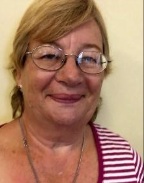
As Jacqui said, “I used Dementia Diaries like a therapist…day and night, I just offloaded every frustration, every feeling I had.” For her, the project began right after diagnosis, when emotions were raw and overwhelming. The act of speaking – and being heard – helped her find her footing. Others found similar comfort.
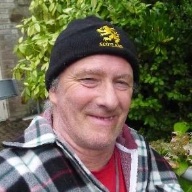
Stephen described it as “like a family meeting,” especially during COVID when isolation was intense. “It helped me get through, for sure,” he said. “It helped my brain stay there, as much as it can possibly be.”
Technology that listens
The project relied on technology, but not in a flashy or complicated way. It was about making things simple and accessible. Diarists recorded entries on devices they were comfortable with. The recordings were transcribed, moderated, and published online. That process took time, effort, and care – but it meant that voices reached far beyond the immediate circle.
Key points
- After ten years, Dementia Diaries – audio recordings made by people with dementia – are coming to an end.
- The diaries are a powerful legacy of lived experience: 112 people with dementia recorded 3,585 audio diaries – creating a unique, unscripted archive that captures the real voices and emotions of those living with dementia.
- The diaries are a unique and vast resource for researchers, educators and policy makers. They offer authentic insights into the day-to-day realities of dementia.
- Providing inspiration and hope: the diaries show that life with dementia can still be rich with connection, creativity, and meaning – offering encouragement and reassurance to others facing a diagnosis.
- Technology made personal: simple tools like phones and tablets enabled diarists to share their thoughts directly, making the project accessible and empowering without being intimidating.
- Community and connection: especially during COVID, the diaries helped reduce isolation and fear, creating a sense of family and mutual support among contributors and listeners.
- A lasting impact: though the project has ended, the diaries will remain online – preserving voices, memories, and wisdom for future generations, and continuing to inspire change and understanding.
Author Details

Steve Milton is a director of Innovations in Dementia CIC who, along with Rachel Niblock ran the Dementia Diaries project which launched in 2015 in partnership with On Our Radar.
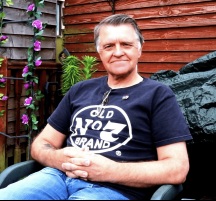
Chris Higgins summed it up beautifully: “I now know that my voice is out there forever.” He pinned his diary link to the top of his Facebook page, so anyone visiting could hear his story. “Even though we can’t continue, they’ll always be there.”
That permanence matters. These diaries aren’t just personal reflections – they’re a record of what it’s like to live with dementia, day to day, year to year. They are a resource for researchers, educators, policymakers, and families. They are a window into a world that’s often misunderstood.
Connection in a time of disconnection

COVID changed everything. For many diarists, physical contact became impossible. James McKillop spoke about how his mobility worsened, and how meetings – even virtual ones – became a lifeline. “Meeting with like-minded people…was a catalyst for an idea to form in my mind,” he said. “There’s always something somebody said…it hit the litmus test.”
The diaries weren’t just about speaking – they were about listening. Larry Gardiner said he found more joy in reading others’ entries than revisiting his own. “It’s been a joy to read what other people have said,” he shared. “It’s a tremendous resource for future researchers.”
Sue, who joined later and didn’t record diaries herself, was moved by what she read. “They are so inspiring…so powerful…so absolutely amazing.”
A platform for change
The impact of Dementia Diaries went far beyond the personal. Larry recalled telling MPs in the All-Party Parliamentary Group on Dementia to read the diaries. “This is what people living with dementia are thinking about, this is what they’re feeling, and this is what they want,” he said. “As a platform for policy improvement, you couldn’t find anywhere in the UK a better resource than this.”

George Rook agreed; “It’s a great resource for other people – whether they are professionals or just everyday Joes.” He noted that the diaries were used in training, and that they inspired others to see what’s possible after diagnosis.
And perhaps most importantly, they helped reduce fear. One carer wrote during lockdown that because of the diaries, she was “that little bit less afraid.” That’s no small thing.
The end of the beginning
The project is ending, but the spirit of the diaries lives on.
Many diarists are now exploring other platforms – YouTube, WhatsApp, social media – to keep sharing. Stephen, for example, has made more than 200 videos YouTube. “It’s keeping me active,” he said. “It’s helped my brain stay there.”
While no new diaries will be created by the project, the diaries will remain accessible. Discussions are ongoing about the best way to preserve the archive so that it can continue to be used for research and to inspire those facing or living with dementia to live their best lives.
Peter Clark voiced a concern shared by many: “There’s so much recorded there…about what we used to be like. And the people who aren’t with us anymore are still on there.” That’s why archiving matters. These voices must not be lost.
A revolution remembered
George called the project “revolutionary.” He wasn’t exaggerating. Dementia Diaries changed how people think about dementia. It showed that people with dementia are still people – with thoughts, opinions, humour, and insight.
It wasn’t just about storytelling. It was about rights. About visibility. About saying, “We’re still here.”
And it was about safety. Jacqui remembered how Steve and Rachel, who moderated the diaries, would gently ask if she really wanted to say something. “I could say what I wanted,” she said, “but then I had the safety and the backup as well.”
That balance – freedom and care – was key.
Thank You
To everyone who contributed: thank you. You made something extraordinary. You helped others feel less alone. You helped change minds. You helped change policy. You helped change lives.
This isn’t the end. It’s just the end of this chapter. The voices will continue. The connections will remain. The revolution goes on.
And as Stephen said, “I’ll just bloody keep going.”
Links
Dementia Diaries: www.dementiadiaries.org
Innovations in Dementia CIC: www.myid.org.uk
….and here are some of the platforms people with dementia are using to curate their own experiences…
Stephen Tamblin: https://www.youtube.com/@stephenpaultamblin5850
George Rook: https://georgerook51.wordpress.com
Gail Gregory: https://dementiaalzheimers.home.blog