Biomarkers, Belonging, and the Missing Data: why Trans & Nonbinary people with dementia must be part of the conversation – Authored by Dáithí Clayton
Summary
As blood biomarkers become an increasingly important tool in Alzheimer’s diagnosis, they offer new opportunities for earlier detection, less invasive testing, and improved access to support. But an important question remains: who is represented in the data underpinning these advances? In this blog, Dáithí Clayton explores how discussions about diversity in dementia research must extend beyond ethnicity to include transgender and nonbinary communities, who are largely absent from biomarker studies.
The rapid development of blood biomarkers for Alzheimer’s disease is one of the most exciting breakthroughs in dementia research. These tests promise earlier diagnosis, less invasive screening, and potentially faster access to treatment and support. But an important question remains: do these biomarkers work equally well for everyone?
This question was at the heart of a Research Showcase event with Natalia Chemas, hosted by the Dementia Researcher platform, earlier this year. Her work examines whether Alzheimer’s blood biomarkers are diagnostically valid across diverse populations and whether communities historically under-represented in research find these tests acceptable.
While the focus of the research is on ethnic diversity, it raises a parallel and equally urgent issue: the near absence of transgender and nonbinary people in biomarker research. That absence matters.
Biomarkers such as plasma p-tau, neurofilament light, and amyloid measures are increasingly used to detect or confirm the presence of Alzheimer’s disease. Yet the datasets used to validate these tests rarely record gender diversity. In most cases, participants are categorised only as “male” or “female,” often based on administrative records rather than lived identity.
For trans and nonbinary people – especially those who may have used hormone therapies at different points in life – this creates several unanswered questions:
- Could long-term exposure to oestrogen or testosterone influence biomarker levels?
- Are diagnostic thresholds only calibrated using populations that exclude gender-diverse people?
- How comfortable would trans and nonbinary individuals feel providing blood samples within healthcare environments that are not always inclusive?
Beyond the biological questions lies an issue of trust. Many LGBTQ+ people with dementia have experienced discrimination in healthcare settings throughout their lives. Without intentional outreach and inclusive study design, they may understandably hesitate to participate in research – even research that could ultimately benefit them.
The promise of biomarker science is precision and personalisation. But precision medicine cannot exist if whole communities are absent from the data.
Events like the Dementia Researcher showcase are valuable spaces for expanding this conversation. As biomarker research accelerates, researchers have an opportunity to ask broader questions about who is included, who is missing, and how emerging diagnostics can serve all communities affected by dementia.
For trans and nonbinary people living with dementia, the message is simple: our bodies, our histories, and our experiences belong in the evidence base too.
About the Author
Dáithí Clayton
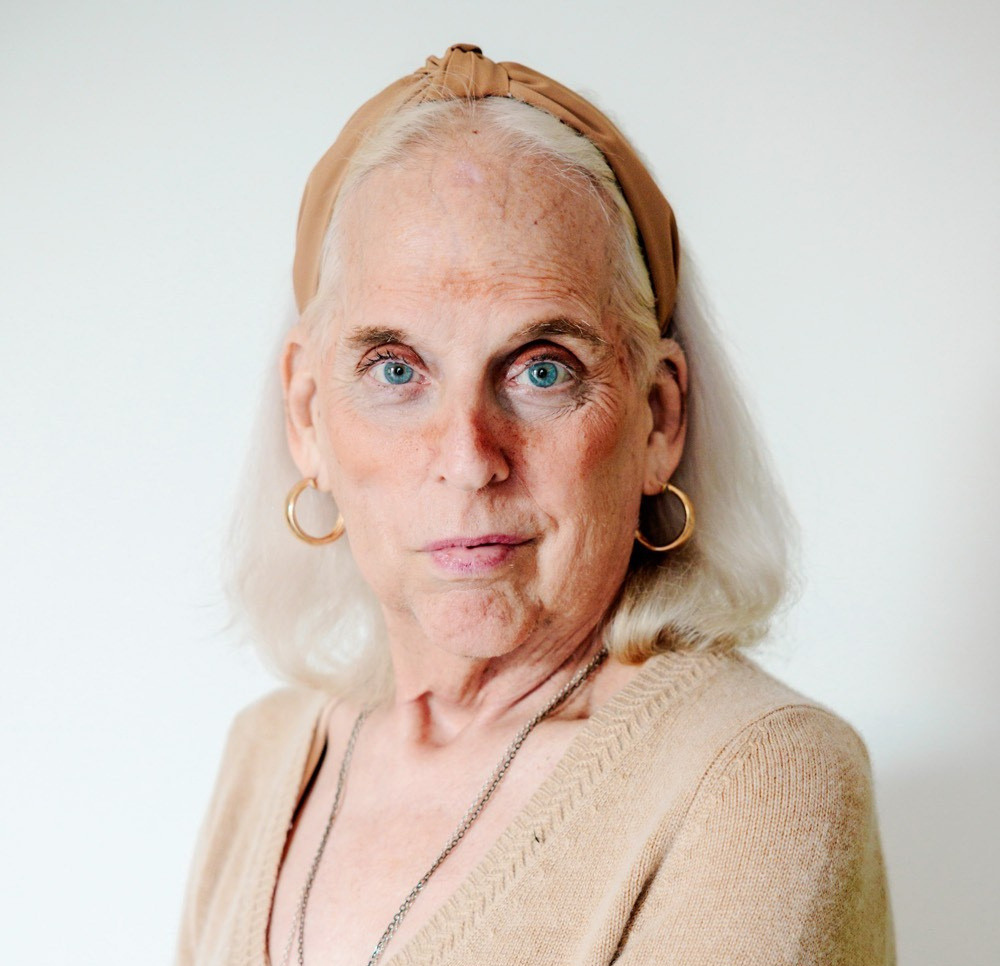
Dáithí Clayton (they/them) is an Irish lived-experience advocate, writer and international speaker living in Belgium. Diagnosed with young onset dementia, Dáithí works across research, policy and education to advance equity for LGBTQIA+ people affected by dementia, with a particular focus on trans and nonbinary communities. They collaborate with universities, charities and international dementia organisations to ensure that people with lived experience help shape research and practice.
Do you agree with Dáithí? Why not submit a blog on this topic expressing your views by emailing: voices@dementiapublishing.community
Do you want to write a blog for Dementia Community Voices?
You can view our submission guidelines here.
We want to hear from you!