
Why we need more ghost stories – Diversity, Individuality and Voice – who gets to speak about their experience of dementia?
Tom Kitwood’s mantra that ‘once you’ve met one person with dementia, you’ve met one person with dementia’ gets increasingly sidelined when particular constituencies come to dominate the story of living with dementia. It’s rare for these stories to be articulated by people who are actually living with dementia themselves. Even then, the stories told primarily focus on the experience of a limited section of the population, rarely reflecting the wide variety in disability, economic status, ethnicity, sexuality and gender identity of people living with dementia.
In the UK, where both social care and health care in dementia continue to often be heartbreakingly inadequate, people in these more marginalised groups have historically faced myriad challenges in getting reasonable support from the services they pay their taxes for. Often, they find that getting a diagnosis of dementia and support for living with dementia is yet another area in which they experience institutionalised exclusion. But we rarely hear the personal stories of these marginalised people in the dementia discourse.
Research in the past few years has found that in many minority ethnic UK communities there is a widespread belief that people in the mainstream white UK community are more likely to get dementia than those in the minority ethnic communities. Yet in reality, people from South Asian and African Caribbean communities are most at risk. In many of the news stories about dementia, and in highly acclaimed TV or movie depictions of dementia, the main protagonists living with dementia are portrayed as white, Anglicised, oftentimes highly successful, well-educated, heterosexual and cis-gendered.
The media commentary on such portrayals focuses attention on the tragedy of dementia and the need to improve society’s understanding of the condition and the provision of services. From the narrow demographic such stories reflect, one might assume that the focus of the policy challenge in dementia is mainly to improve the experience of dementia for wealthy, highly educated white men and women. The real policy challenge in dementia is to improve the experience of living with dementia for all people, with attention paid to how we ensure this includes those who may have a lifelong experience of being under-served by health and social care services.
The impact of an evocative performance by Anthony Hopkins portraying a wealthy and educated man increasingly challenged by dementia in the film ‘The Father’, does not get connected to the experience of an old Black lady who can’t seem to remember how to count her money from her purse at the checkout queue in Sainsburys.
We could be brought to tears by a film like ‘Still Alice’ while understanding the film is a deeply personalised story that does not speak for all women.
Yet we might think that having read a short narrative paragraph on living with dementia by one lesbian, one Chinese person, one non-binary person, one deaf person, one Irish person, one gay man, one person living on their own on state benefits on the 8th floor of an inner city flat; we know all their stories. Having heard one story about one person from a marginalised group, have we really heard all the stories about all of them? Can all the individual experiences of hope, despair and heartbreak be fitted into one box, and we just change the label as needed, with no expectation of holding any one individual’s story in mind?
In the UK most people living with dementia are not middle class professionals, many are from a minority ethnic heritage, many are gay, lesbian or non-binary. Many live alone. You will rarely hear their individual stories. Hardly anyone tells the stories of these ghosts. Ghosts haunt you until you let them tell their story.
Yesterday, upon the stair,
I met a man who wasn’t there!
He wasn’t there again today,
I wish, I wish he’d go away!
From “Antigonish” by William Hughes Mearns (1899)
About the author
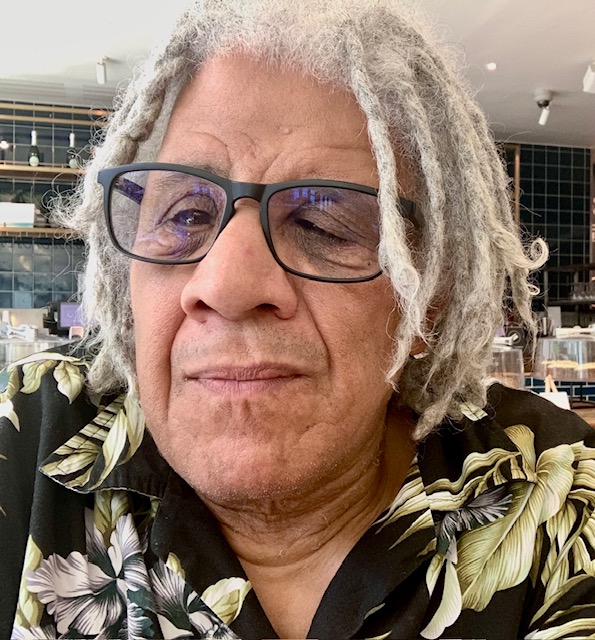
David Truswell
David Truswell is an Independent Advisor on dementia support and services for Black and Minority Ethnic communities and is a Director of Dementia Community. The blog represents David’s personal views and do not necessarily reflect the views of Dementia Community.
Do you agree with David? Why not submit a blog on this topic expressing your views by emailing voices@dementiapublishing.community
Do you want to write a blog for Dementia Community Voices?
You can view our submission guidelines here.
We want to hear from you!